
Final detail clean and inspection-ready finish in Tokyo
A last checklist pass with photos before the inspector, buyer or tenant walks the property.

What the final pass is, and what it is not
The final detail clean is not a repeat of the bulk clean. It assumes that debris is gone, floors have been vacuumed and the main surfaces have been wiped. This pass is slower and more critical: we look along the light, run a cloth along edges, and check the places an inspector tests. If the earlier cleaning was not done, we say so and quote the full handover clean instead, so that the final pass is not asked to do two jobs.
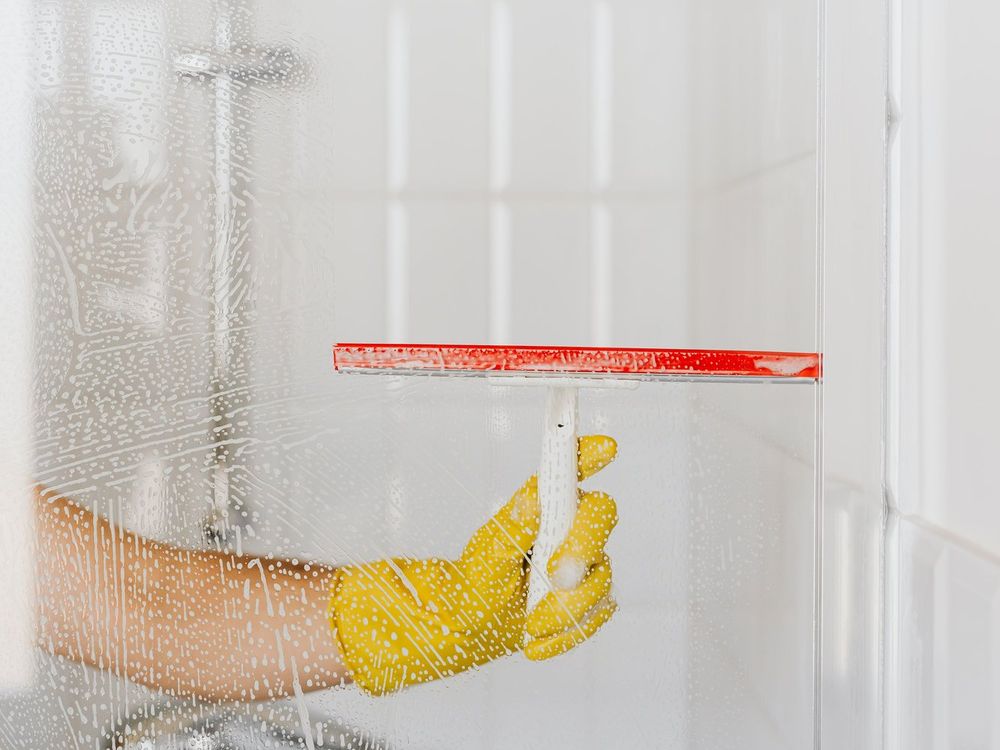
The checklist we follow
We work through each room in a fixed order: ceiling and vents, walls and switches, doors and frames, windows, sills and sashes, built-in units, fittings, kitchen and bath surfaces, then floors last. For every item we tick the result and, where it matters, photograph it. You receive the checklist and the photos together. If you have your own punch-list or inspection form, send it and we follow it.
Looking along the light
Streaks and smears appear when light hits a surface at a low angle: window glass in the afternoon, a mirror beside a window, a glossy cabinet front or a stainless splashback. We check these surfaces from the angle at which they will be seen, with a torch where the room is dim, and re-wipe until the surface is even. This is why a final pass often takes a fresh cloth to a surface that looked clean a moment ago.
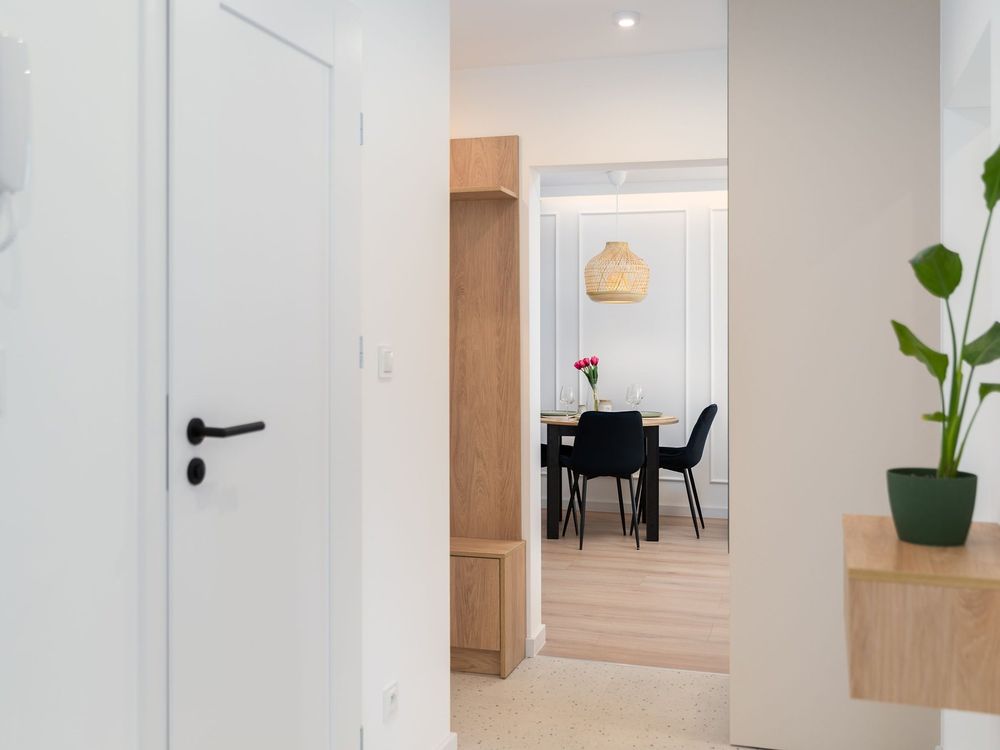
Fixtures, switches and small hardware
Light switches, socket plates, door handles, hooks, cabinet pulls, hinges and the heads of exposed screws gather fingerprints and plaster dust. They are small, but they sit at the height of the eye and the hand. We wipe each by hand, remove any leftover film, tape or sticker, and check that nothing is smeared or loose. Loose items are reported, not adjusted.
Removing the last film, tape and labels
Protective film, curing tape and stickers are often removed in a hurry and some are left behind: a corner of film on a window, a label on the back of a door, tape on a skirting board. We search for them deliberately, remove the ones that the contractor has asked us to remove, and list in the report any that we left in place because removing them might damage the surface.
Fresh sealant, paint splatter and glass
Soft sealant smudges and light paint splatter on glass, tile and fixtures are wiped with surface-safe methods. We do not scrape cured paint or sealant, we do not remove adhesive damage, and we do not repair scratches or chips. We photograph what remains and add it to the report. This protects both sides, because a defect recorded at handover is clear, and nobody has to argue later about who caused it.
Pre-sale, pre-opening and tenant handovers
A buyer walking an apartment, a shop owner opening on a set date, and a tenant collecting a key all look at different things. Buyers check cupboards and windows, shop owners look at the entrance, glass and counters, tenants open every door and tap. Tell us who will inspect and what they are likely to examine, and we weight the pass accordingly.
Reading the photo report
Each photo is taken from the doorway or the angle an inspector would use, so that the report matches what the visitor will see. Close-ups are added for fittings, glass and any mark we could not remove. Because the report is delivered by message, you can forward it to the buyer, the property manager or the contractor the same moment you receive it, and anyone can see the state of each room without visiting the site.
Order of work in an occupied or staged building
In a building that is already partly in use, we choose a route that avoids finished areas, carry cloths and equipment in clean containers, and finish the corridor and entrance last so that our own traffic does not leave marks. When the handover is staged floor by floor, each floor gets its own checklist and photos, and the report shows which floors are done and which remain.
Price and scoping
The final detail clean is quoted per project at a fixed price, from plans, floor area, photos or a site look, before the work. Send the plans or photos, the number of rooms, the date of the inspection and whether any earlier cleaning has been done. We confirm the price by message before the visit. One cleaner with a supervisor handles a small unit, two cleaners with a supervisor a larger one, and a team sized to the project a whole building.
After the visit, and where we work
The report shows the checklist with photos of each room. If something was missed and reported within 24 hours with a photo, we clean it again at no extra cost, which is useful if the inspector finds one more mark. Standard visits are 9:00 to 17:00, with out-of-hours work by agreement. We serve the 23 wards of Tokyo and Kanagawa, Saitama, Chiba, Ibaraki, Tochigi and Gunma, with travel cost stated before booking outside the 23 wards.
How do I book a cleaner?
Choose a service
Pick a plan and see the fixed price.
Pick a date
At least 24 hours ahead, between 9:00 and 17:00.
We confirm
We reply by email, normally within 1 hour.
We clean
Your cleaner arrives with supplies and the agreed checklist.
Frequently asked questions
Is this the same as a full handover clean?
No. The final pass assumes the bulk cleaning is done. If it is not, we quote the full handover clean instead.
Can we use our own punch-list?
Yes. Send it and we follow it, and the photo report matches its items.
Do you repair the defects you find?
No. We photograph and list scratches, chips and cured paint damage so the contractor can fix them.
Can you work before an inspection date?
Yes. Tell us the date and who will inspect, and we plan the visit around it.
Price shown upfront. Book in 2 minutes, reply within 1 hour
Fixed priceTeam + supervisorEnglish and Japanese
Ready to book? Check availability
Inquiries and reservations are accepted 24 hours a day. When you submit, we check availability, assign a cleaner and contact you within 1 hour.
Prefer to talk? LINE · WhatsApp · hello@estreet.jp