
Choosing products for Japanese homes
Walk into a Japanese drugstore and the choice of cleaning products can be overwhelming, especially when the labels are in Japanese. This category helps you choose: which products are worth buying for the bathroom, kitchen, toilet and floors, what the common warnings mean and what a small, sensible kit looks like for a compact flat. The aim is to help you buy fewer products, and use them more safely and effectively.
Safety first
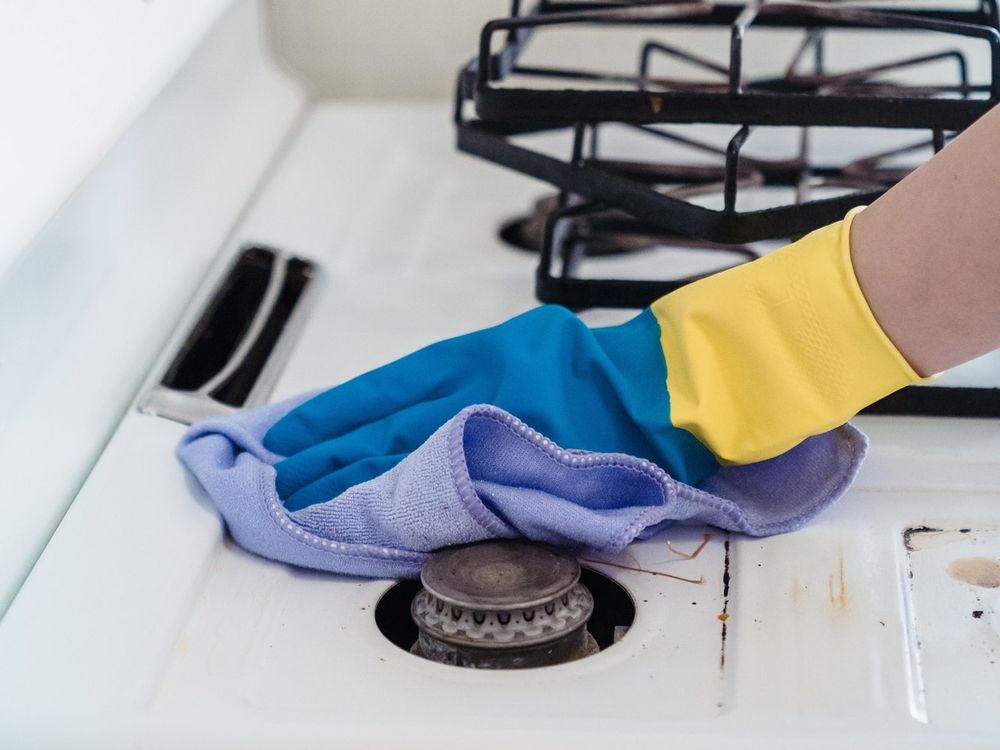
The most important rule is never to mix cleaning products. Chlorine-based mould removers and acid-based cleaners release toxic gas when combined, which is why many Japanese labels carry the warning 混ぜるな危険. Ventilate when you clean, wear gloves and keep products away from children and pets. Check that a product is suitable for the surface, because some damage natural stone, wood, aluminium or the coating on IH cooktops. The guides explain these points in plain language.
Tools matter as much as products
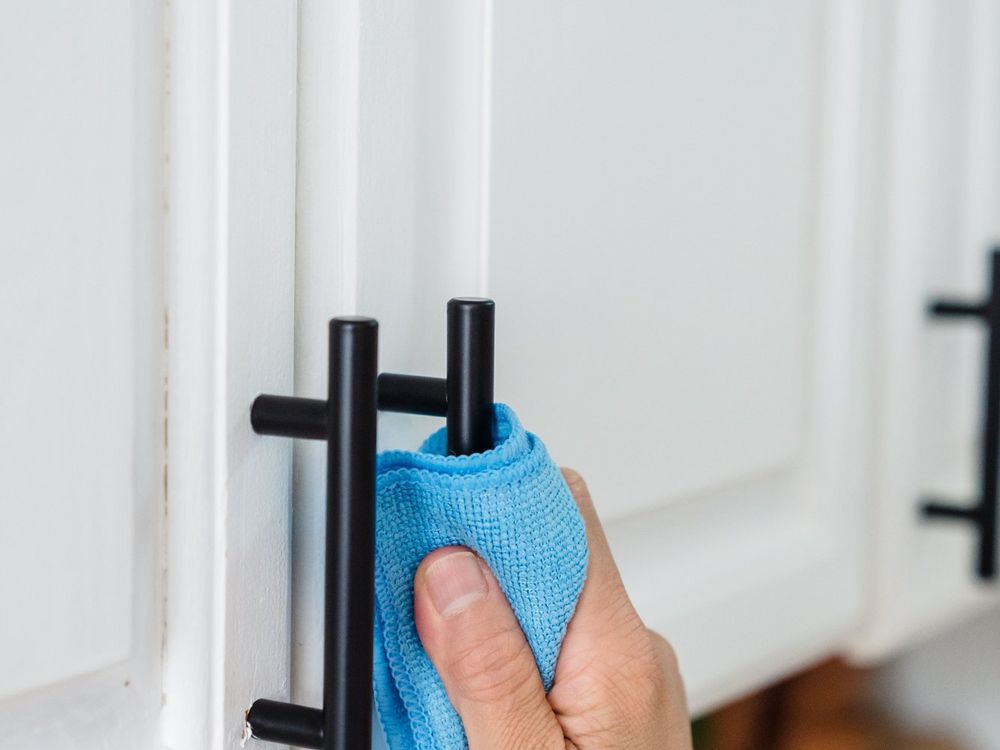
Good tools reduce the need for strong products. Microfibre cloths, a squeegee, a flat mop, a handheld vacuum and soft and stiff brushes can do most of the work with water and a mild detergent. The guides help you decide which tools are worth buying first and how to store them in a small flat. When a problem needs more than household products can deliver, such as heavy limescale or an air conditioner, we explain when to call a professional.
Quick answers about products
What is the most important safety rule? Never mix products, especially chlorine and acid. Do I need many products? No, a small kit is enough. Where do I buy them? Drugstores and home centres. How do I read a Japanese label? Look for the surface it is for, the warnings and the usage time, and use a translation app for the rest.
How we choose what to recommend
We recommend products on three criteria: they are safe when used as directed, they are easy to find in Japan and they work on the surfaces of typical homes here. We do not take payment to promote products, and where a product is not needed we say so. If a product is not available in your area, a similar product with the same function is usually fine. Always read the label and test in a hidden spot.
Choosing products for Japanese homes
Walk into a Japanese drugstore and the choice of cleaning products can be overwhelming, especially when the labels are in Japanese. This category helps you choose: which products are worth buying for the bathroom, kitchen, toilet and floors, what the common warnings mean and what a small, sensible kit looks like for a compact flat. The aim is to help you buy fewer products, and use them more safely and effectively.
Safety first
The most important rule is never to mix cleaning products. Chlorine-based mould removers and acid-based cleaners release toxic gas when combined, which is why many Japanese labels carry the warning 混ぜるな危険. Ventilate when you clean, wear gloves and keep products away from children and pets. Check that a product is suitable for the surface, because some damage natural stone, wood, aluminium or the coating on IH cooktops. The guides explain these points in plain language.
Tools matter as much as products
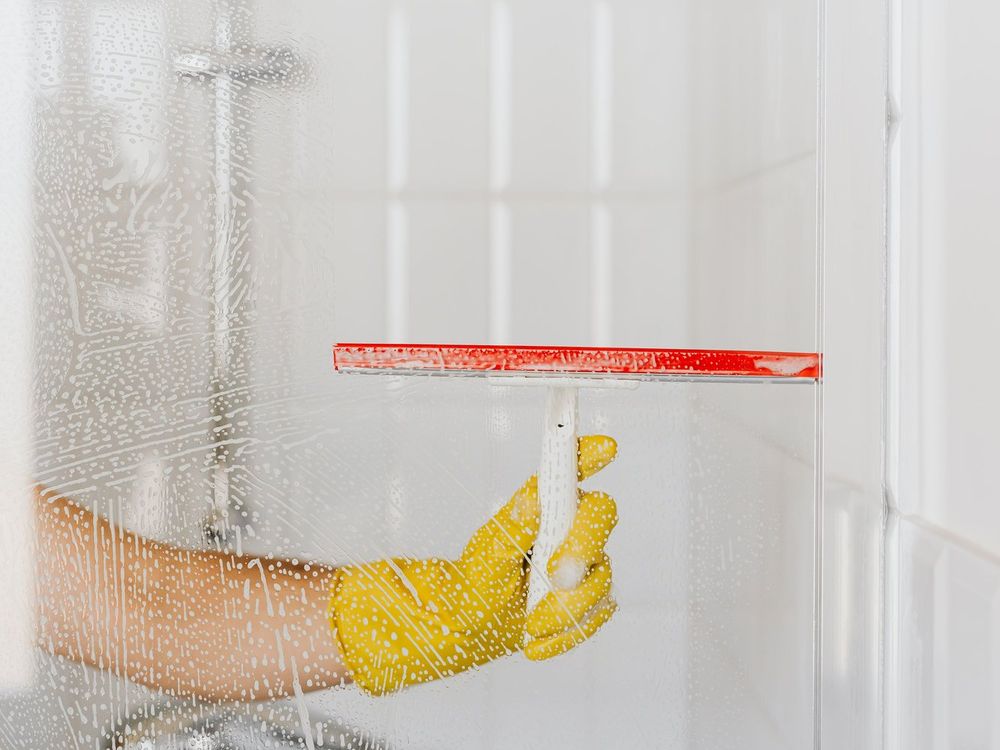
Good tools reduce the need for strong products. Microfibre cloths, a squeegee, a flat mop, a handheld vacuum and soft and stiff brushes can do most of the work with water and a mild detergent. The guides help you decide which tools are worth buying first and how to store them in a small flat. When a problem needs more than household products can deliver, such as heavy limescale or an air conditioner, we explain when to call a professional.
Quick answers about products
What is the most important safety rule? Never mix products, especially chlorine and acid. Do I need many products? No, a small kit is enough. Where do I buy them? Drugstores and home centres. How do I read a Japanese label? Look for the surface it is for, the warnings and the usage time, and use a translation app for the rest.
How we choose what to recommend
We recommend products on three criteria: they are safe when used as directed, they are easy to find in Japan and they work on the surfaces of typical homes here. We do not take payment to promote products, and where a product is not needed we say so. If a product is not available in your area, a similar product with the same function is usually fine. Always read the label and test in a hidden spot.
Price shown upfront. Book in 2 minutes, reply within 1 hour
Fixed priceTeam + supervisorEnglish and Japanese
Ready to book? Check availability
Inquiries and reservations are accepted 24 hours a day. When you submit, we check availability, assign a cleaner and contact you within 1 hour.
Prefer to talk? LINE · WhatsApp · hello@estreet.jp