
Small habits that save time
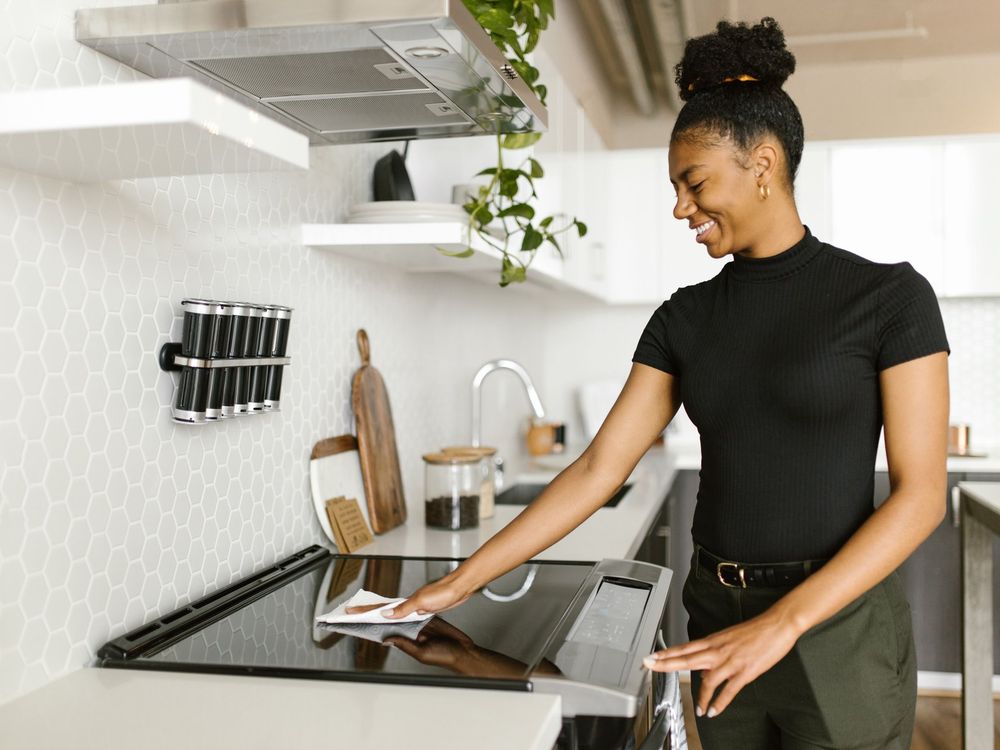
Cleaning hacks are not tricks that replace cleaning. They are small habits and simple tools that remove friction: wiping a surface while the kettle boils, keeping a cloth where you need it, clearing the floor so a robot vacuum can run. In a small Tokyo flat, such changes can halve the time a clean takes, because most of the effort goes into moving things and preparing the space, not into scrubbing.
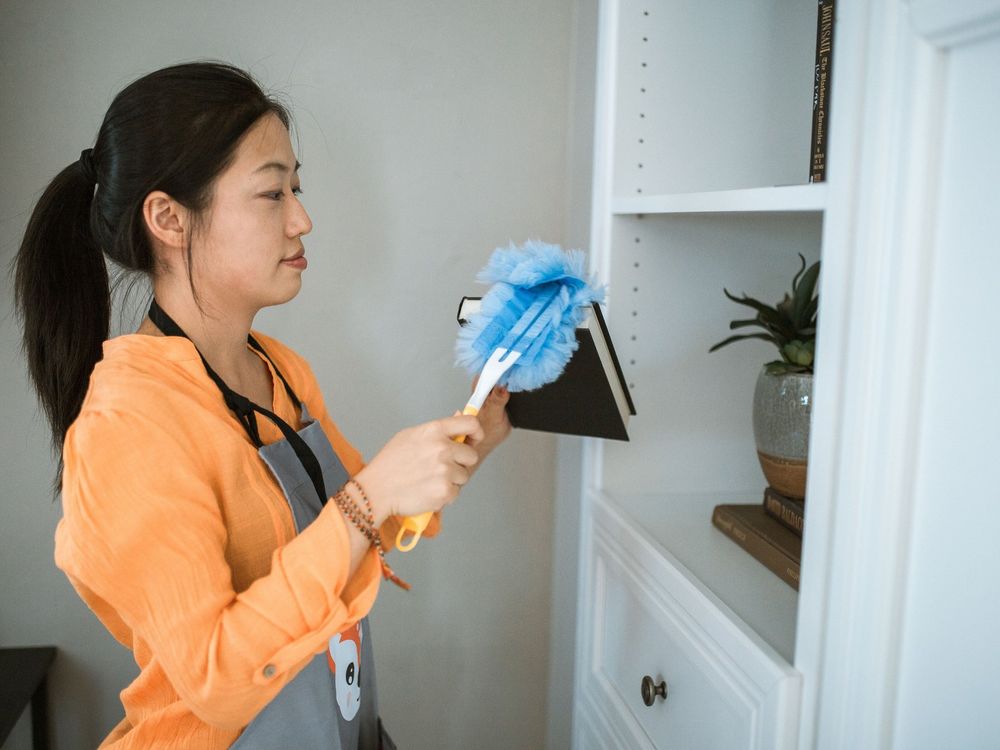
Hacks for Japan's climate and homes
Some hacks are specific to Japan: managing humidity in the rainy season, drying laundry indoors without damp, protecting wardrobes and shoe cupboards from mould and keeping drains fresh in hot weather. Others are about space: organising so that surfaces stay clear and storing supplies where they are used. The guides here explain why each hack works, so that you can adapt it to your own home instead of following it blindly.
What we do not recommend
Not every hack found online is safe or effective. Mixing products to create a stronger cleaner is dangerous, particularly with chlorine and acid. Abrasive tools can scratch resin, glass and IH surfaces. Home remedies may not be suitable for natural stone. We only include hacks that are safe when used as described, and we warn you when a surface or a situation calls for care. When in doubt, test in a hidden spot or ask a professional.
Quick answers about hacks
Do hacks replace cleaning? No, they make it faster. Is it safe to mix products for extra power? Never. Are natural remedies better? Some are mild and useful, but they are not always more effective, and they still need to be used safely. How do I know a hack is worth doing? If it saves time or prevents a problem and costs little, try it for a few weeks, then keep or drop it.
Tools that earn their place
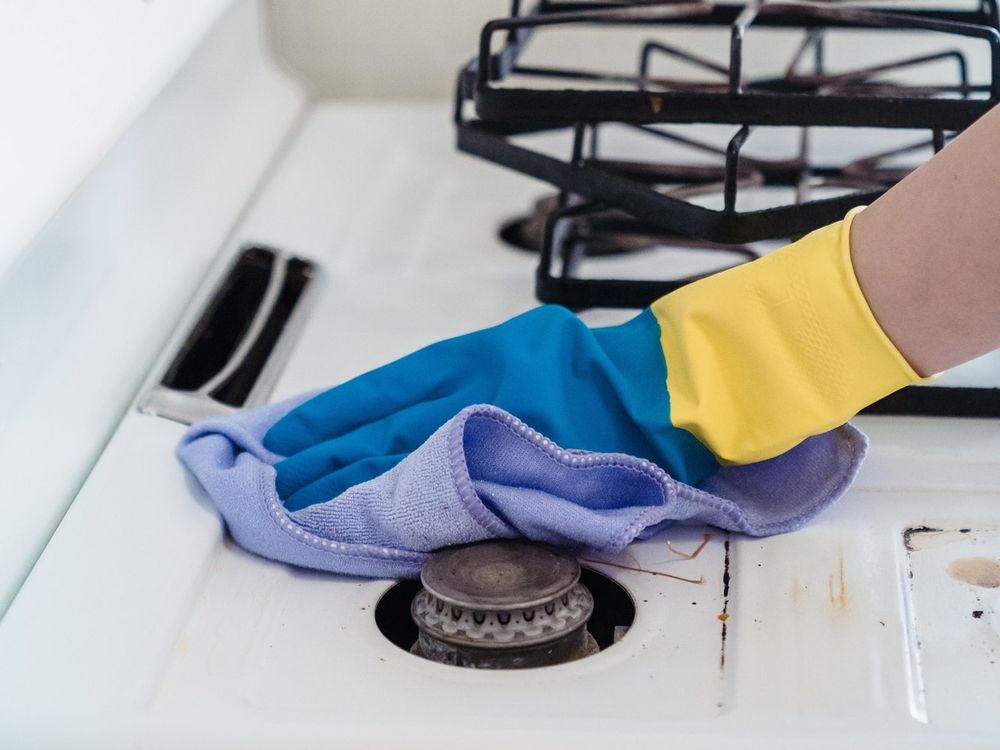
A few simple tools pay for themselves: a squeegee for bathrooms and windows, microfibre cloths, a handheld vacuum, a foldable step and a caddy. They reduce the need for strong products, they last and they are cheap. Before buying a gadget, ask whether it solves a real problem you have, and whether you will store and use it. If not, skip it.
Small habits that save time
Cleaning hacks are not tricks that replace cleaning. They are small habits and simple tools that remove friction: wiping a surface while the kettle boils, keeping a cloth where you need it, clearing the floor so a robot vacuum can run. In a small Tokyo flat, such changes can halve the time a clean takes, because most of the effort goes into moving things and preparing the space, not into scrubbing.
Hacks for Japan's climate and homes
Some hacks are specific to Japan: managing humidity in the rainy season, drying laundry indoors without damp, protecting wardrobes and shoe cupboards from mould and keeping drains fresh in hot weather. Others are about space: organising so that surfaces stay clear and storing supplies where they are used. The guides here explain why each hack works, so that you can adapt it to your own home instead of following it blindly.
What we do not recommend
Not every hack found online is safe or effective. Mixing products to create a stronger cleaner is dangerous, particularly with chlorine and acid. Abrasive tools can scratch resin, glass and IH surfaces. Home remedies may not be suitable for natural stone. We only include hacks that are safe when used as described, and we warn you when a surface or a situation calls for care. When in doubt, test in a hidden spot or ask a professional.
Quick answers about hacks
Do hacks replace cleaning? No, they make it faster. Is it safe to mix products for extra power? Never. Are natural remedies better? Some are mild and useful, but they are not always more effective, and they still need to be used safely. How do I know a hack is worth doing? If it saves time or prevents a problem and costs little, try it for a few weeks, then keep or drop it.
Tools that earn their place
A few simple tools pay for themselves: a squeegee for bathrooms and windows, microfibre cloths, a handheld vacuum, a foldable step and a caddy. They reduce the need for strong products, they last and they are cheap. Before buying a gadget, ask whether it solves a real problem you have, and whether you will store and use it. If not, skip it.
Price shown upfront. Book in 2 minutes, reply within 1 hour
Fixed priceTeam + supervisorEnglish and Japanese
Ready to book? Check availability
Inquiries and reservations are accepted 24 hours a day. When you submit, we check availability, assign a cleaner and contact you within 1 hour.
Prefer to talk? LINE · WhatsApp · hello@estreet.jp