
Tile and grout cleaning after construction in Tokyo
We clean new tile, grout lines and wet-area fixtures in bathrooms, kitchens, toilets and washrooms before handover, at a fixed price per project.

The room-by-room approach
Each wet room is cleaned on its own checklist. In a bathroom: tile walls and floor, grout lines, bath or shower tray, screen or curtain rail, basin, taps, mirror, shelves and the drain cover. In a kitchen: tile splashback, sink and taps, counters, cabinet fronts and interiors, hob surface and hood exterior. In a toilet or washroom: bowl, cistern, seat, basin, floor tile and the base where tile meets sanitaryware.
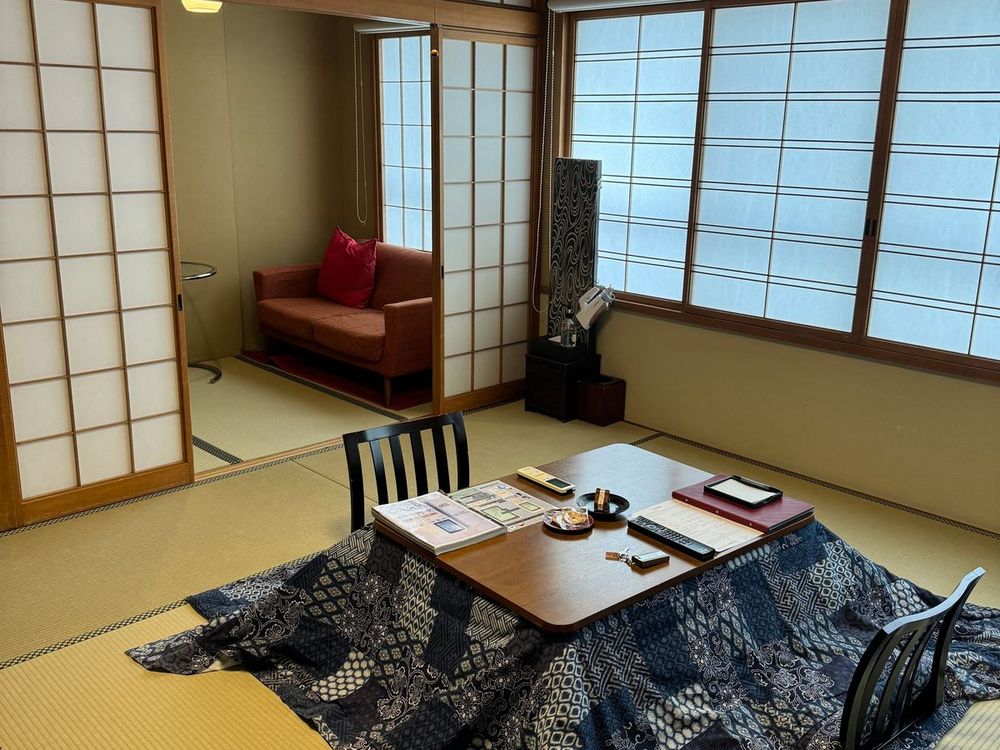
Grout lines are where dust hides
New grout is slightly porous and has a rough texture that collects construction dust, so a tile wall can look clean from a metre away and grey up close. Our crews brush the lines with tools suited to the grout and tile, lift the loosened dust, and wipe the surface. This is a surface clean. We do not regrout, re-seal or colour grout, and we do not promise to lighten staining that is already part of the grout.
Protecting the sealed joints
The silicone along the bath edge, the basin and the splashback is the installer’s work and we leave it intact. We clean the tile and sanitaryware up to the joint without scraping or rubbing along it, and any fresh smudges beside the bead are wiped with surface-safe methods. If a joint looks uneven or open, we do not touch it and we note it in the photo report for the contractor.
Film, stickers and tape on wet-area fittings
Taps, sinks and bath panels usually arrive with film, stickers and tags, and tiling leaves tape on edges. We remove them as part of the clean, then wipe the finish so chrome shines and stainless shows no ghost lines. Items such as warranty plates are left in place if you tell us. Printed brand marks on sanitaryware are part of the product and are not removed.
Mirrors, glass and fixtures
Mirrors and glass shower screens often hold dust, grout haze and silicone smudges together, so we treat them with care and check them from several angles against the light. Towel rails, hooks, shelves, soap holders, handles and switch plates are wiped. Vents and grilles are wiped on the surface only. We do not open or clean inside ducts.
What we cannot make good
Cracked or chipped tile, stained or uneven grout, rust marks from fixings, mould that has already formed in poorly dried silicone, and cured cement fixed to the tile are not things a clean can fix, and we do not promise to remove them. We separate what is dirt from what is damage and photograph both, so the contractor knows what to return and fix before handover. Nothing is hidden, and nothing is guessed.
Pricing by project, not by room count alone
Send photos of each wet area, the number of bathrooms, kitchens and toilets, or plans, or ask for a site look. We reply with a fixed price for the project, what is included and the team size, from one cleaner with a supervisor to a larger crew sized to a building. The price is confirmed before the visit and does not change on the day.
Floors, drains and the places under things
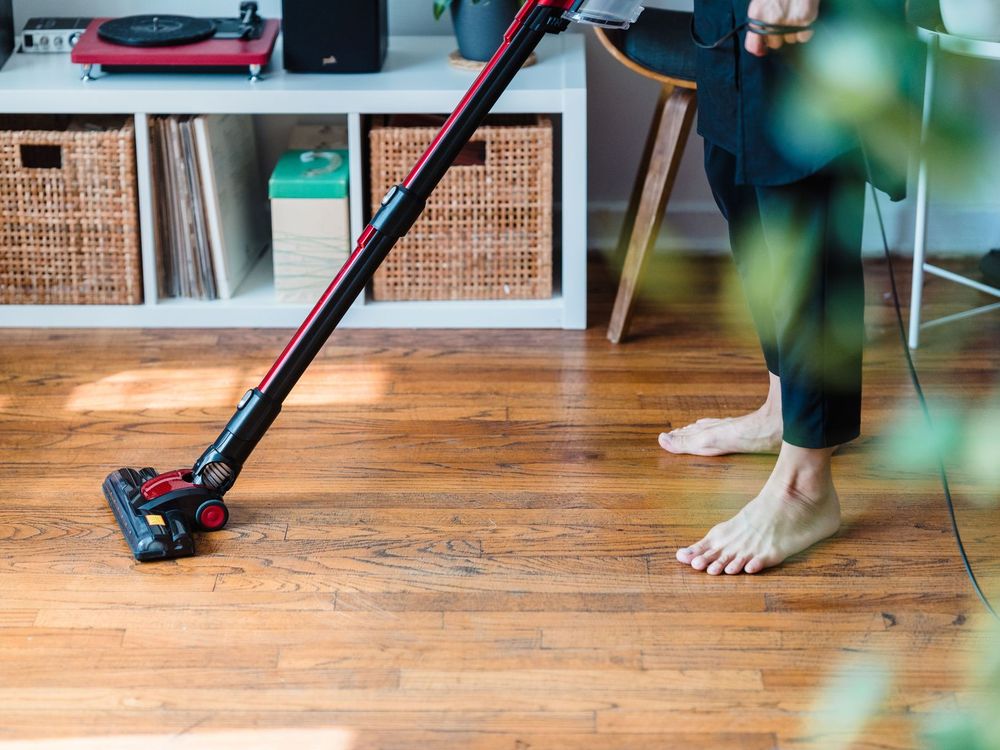
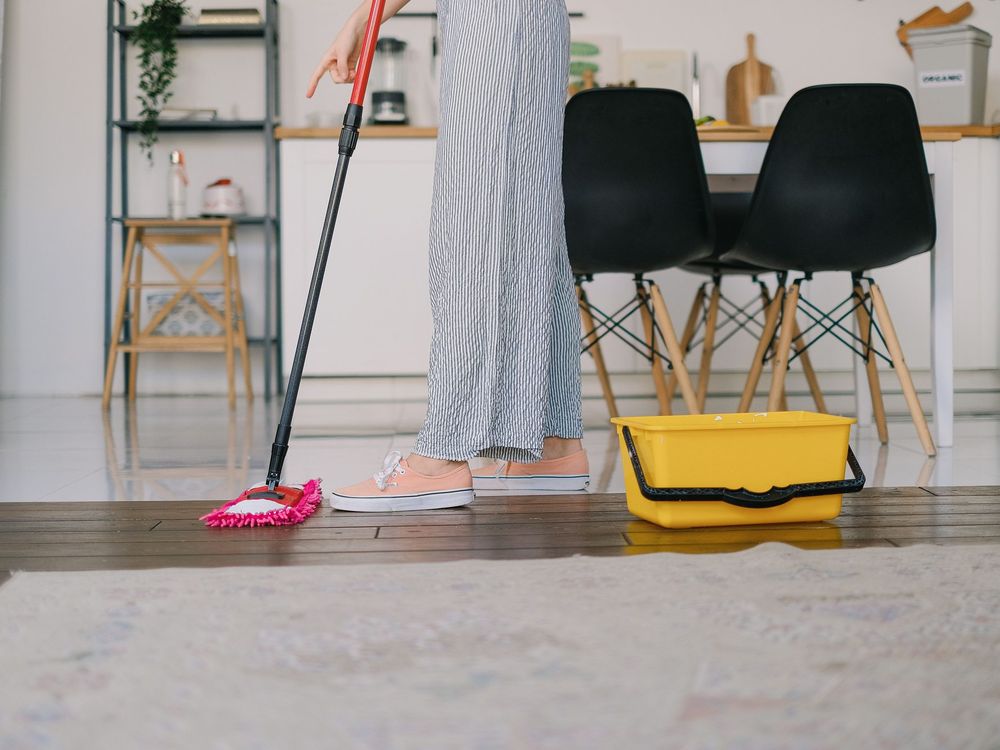
Wet-area floors collect the most dust and the most footprints. We vacuum before we mop, then damp-mop the tile and clean the drain cover and the edge around it, the threshold between wet and dry areas, and the base of the toilet. We look under the vanity, behind the toilet and inside cabinet bases, because fit-out dust settles there and nobody wipes it. We do not clean inside pipes or drains.
The final walk-through
Wet rooms are checked last. After cleaning, a supervisor walks every bathroom, kitchen and toilet against the checklist, looks at tile and glass in raking light, and photographs the result. If something still looks dull or streaked, it is corrected before the team leaves. This final pass is what the contractor receives as a record, and it is how an owner or buyer sees the condition at the time of handover. For large buildings with many wet rooms, we size the team to the number of rooms and divide the checklist floor by floor, so every room receives the same attention and the schedule is known before the booking is final. Photographs of any kitchen that has a built-in hob, oven or extractor help us plan the surfaces in advance.
Coverage, payment and re-cleaning
We serve the 23 wards of Tokyo and Kanagawa, Saitama, Chiba, Ibaraki, Tochigi and Gunma, with travel cost outside the 23 wards stated before the booking is final. Standard visits are 9:00 to 17:00 and out-of-hours visits can be agreed by message. Payment is by credit card, bank transfer, PayPay or cash, with an invoice for companies. If a spot was missed, report it within 24 hours with a photo and we re-clean it at no extra cost.
How do I book a cleaner?
Choose a service
Pick a plan and see the fixed price.
Pick a date
At least 24 hours ahead, between 9:00 and 17:00.
We confirm
We reply by email, normally within 1 hour.
We clean
Your cleaner arrives with supplies and the agreed checklist.
Frequently asked questions
Do you regrout or seal tile?
No. We clean tile and grout lines on the surface and do not regrout, re-seal or colour grout.
Will you damage the silicone around the bath?
We leave the sealed joints intact and clean the tile and sanitaryware up to them. Open or uneven joints are noted in the photo report.
Can you remove stains that are in the grout?
We clean dust and surface dirt. Staining that is part of the grout is not something we promise to lighten.
Do you clean kitchens and toilets as well?
Yes. Bathrooms, kitchens, toilets and washrooms all have their own checklist, and the price is fixed per project.
Price shown upfront. Book in 2 minutes, reply within 1 hour
Fixed priceTeam + supervisorEnglish and Japanese
Ready to book? Check availability
Inquiries and reservations are accepted 24 hours a day. When you submit, we check availability, assign a cleaner and contact you within 1 hour.
Prefer to talk? LINE · WhatsApp · hello@estreet.jp