
Plaster and grout residue cleaning in Tokyo
We clean powdery plaster, cement and fresh grout residue from floors, sills, tile and fixtures after wet trades have finished.

What wet-trade residue looks like
Plaster leaves a soft white powder that streaks as soon as it meets a wet cloth. Cement dust leaves a grey film on sills and tile. Tile adhesive leaves tacky spots and edges. Grout leaves a haze across the tile face and drops on fixtures. Each behaves differently, and the cleaning sequence depends on telling them apart: dry removal first for powders, controlled damp wiping afterwards for films and fresh haze.
Where the residue spreads
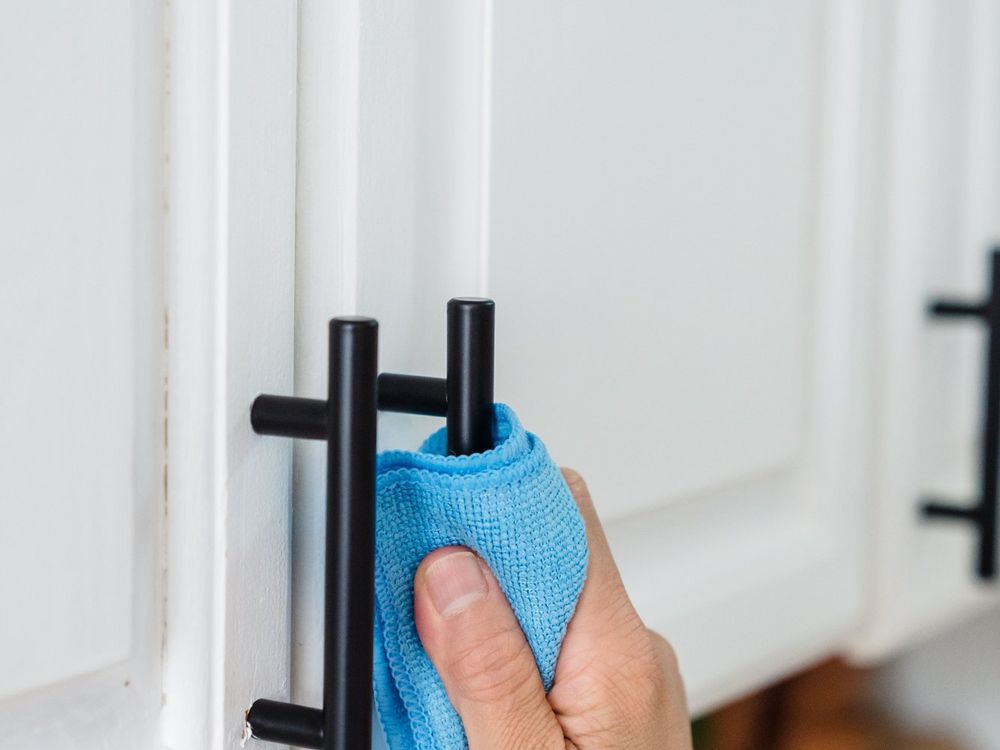
The mess travels with foot traffic and tools. Hallway floors, stair treads, door thresholds, sills and window tracks, bath and basin edges, the base of toilets, the door handles and switches that the tradesperson touched with a dusty glove. We trace the route that the crew took through the building and check along it, since that route is where residue is found even though no wet work took place there.
Removing powder before water
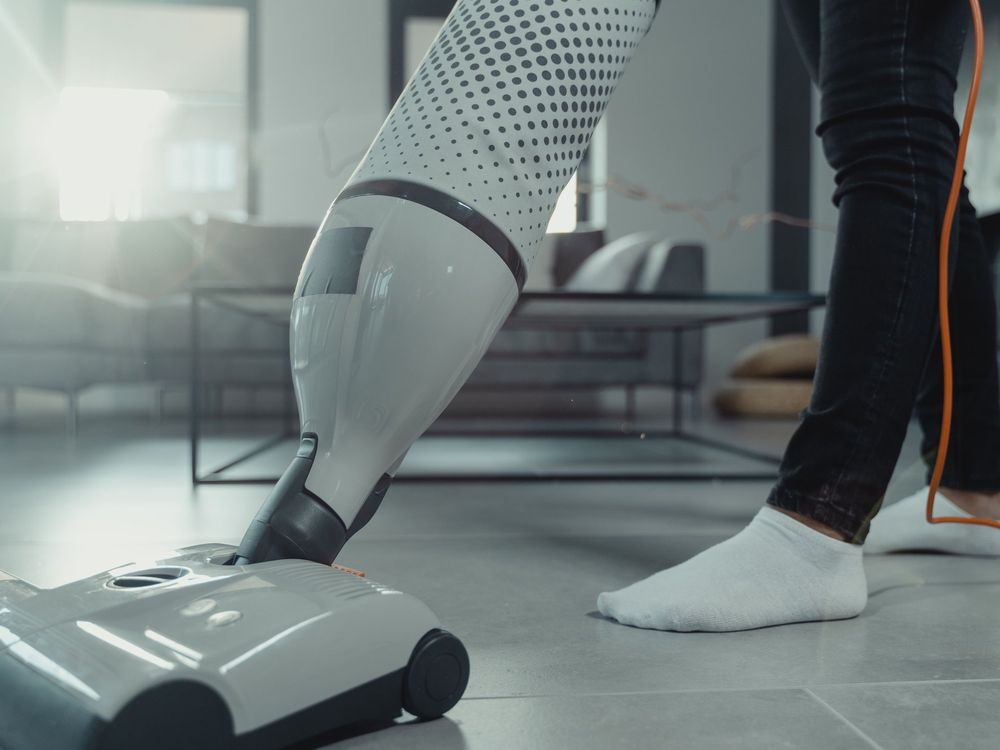
The most common mistake is to wet powder with a mop. Plaster and cement dust turn into a paste that sinks into grout lines and textured floors. Our crews vacuum and brush loose material first, remove it from the room, and only then move to damp wiping. Floors are vacuumed before they are damp-mopped. This takes more care but it removes the residue instead of spreading it.
Fresh haze on tile and fixtures
Light, recently set grout haze and plaster splashes on glazed tile, glass, chrome and sanitaryware can usually be wiped with surface-safe methods. Hardened cement crust, grout haze that has bonded over a long period, and mortar fixed to unglazed or porous surfaces cannot be promised. We try a hidden spot first, and we tell you if a surface needs the original tradesperson or a specialist rather than risk marking it.
What this service does not include
We do not grind or chisel hardened mortar, we do not polish or seal floors, we do not strip wax and we do not carry away rubble, bagged cement or construction waste. Small light debris is collected into bags for the site’s own disposal. We do not repair plaster, regrout tile or restore damaged finishes. If your list includes any of these, we tell you at the quote stage.

Coordinating with the trades
Wet finishes take time to set, and cleaning too early can damage them. Walls plastered yesterday should not be wiped, and fresh grout should not be scrubbed. Tell us which areas are still curing and which are finished, and we clean around the unfinished parts and come back for them if you wish. A short message with the schedule of trades is the best preparation.
Price per project
Send plans, floor area or photos of the affected areas, or invite us for a site look. We reply with one fixed price for the project, what it covers and the team size, one cleaner with a supervisor, two cleaners with a supervisor or a larger crew sized to the project. The price is confirmed before the visit and does not change on the day.
Evidence for the contractor
The photo report records floors, thresholds, sills, tiles and fixtures after cleaning, with notes where hardened residue was left because removal would risk the surface. A contractor can use it to show the owner what was done and to decide what the plasterer or tiler should return to finish. Payment is by credit card, bank transfer, PayPay or cash, with an invoice for companies.
Textured plaster, exposed concrete and rough surfaces
Not every surface can be wiped. Textured plaster walls, lime finishes and exposed concrete hold powder in their texture, and a damp cloth can leave marks or darken them. On these we use dry methods such as soft brushing and vacuuming, and we tell you if a stain would need a wet treatment that we would not attempt. If a finish is delicate, send a photo and we say which method we would use.
Shops, offices and homes
The same residue appears in a tiled café floor, an office entrance and a family kitchen, but the priorities differ. A shop needs a clean floor and glass front before opening. An office needs sills, cabinet tops and corridors free of powder before staff arrive. A home needs low surfaces and floors safe for children and pets. Tell us what the space is used for and we order the work accordingly. Large projects get a larger team sized to the job, stated in the quote.
Areas, timing and re-cleaning
We serve the 23 wards of Tokyo plus Kanagawa, Saitama, Chiba, Ibaraki, Tochigi and Gunma. Outside the 23 wards, travel cost is stated before the booking is final. Standard visits are 9:00 to 17:00 and out-of-hours work can be agreed by message. Requests are accepted at any hour in English and Japanese. If something was missed, report it within 24 hours with a photo and we re-clean it at no extra cost.
How do I book a cleaner?
Choose a service
Pick a plan and see the fixed price.
Pick a date
At least 24 hours ahead, between 9:00 and 17:00.
We confirm
We reply by email, normally within 1 hour.
We clean
Your cleaner arrives with supplies and the agreed checklist.
Frequently asked questions
Can you remove hardened cement from tile?
We do not promise to remove hardened cement or bonded grout haze. We test a hidden spot and tell you honestly what is possible.
Why do you vacuum before wiping?
Wetting plaster or cement powder makes a paste that sinks into grout lines. Dry removal first avoids this.
Do you repair plaster or regrout?
No. We clean up after those trades and do not repair or regrout.
What do you need for a quote?
Floor area, plans or photos of the affected areas. We reply within one hour with a fixed price confirmed before the visit.
Price shown upfront. Book in 2 minutes, reply within 1 hour
Fixed priceTeam + supervisorEnglish and Japanese
Ready to book? Check availability
Inquiries and reservations are accepted 24 hours a day. When you submit, we check availability, assign a cleaner and contact you within 1 hour.
Prefer to talk? LINE · WhatsApp · hello@estreet.jp