
Paint splatter removal after painting work in Tokyo
We wipe light, fresh paint splatter from glass, tile and fixtures with surface-safe methods. Cured paint is not promised, and we tell you before we start.

Where splatter turns up
The usual places are window glass and the aluminium frame next to freshly painted walls, ceramic tile and mirrors near painted ceilings, chrome and stainless handles, hinges, switch plates and socket covers, radiator and pipe surfaces, and sanitaryware where a roller or spray reached. Ceilings are the main cause: a drop falls straight down onto whatever sits beneath, so we start with a careful look at horizontal surfaces under every painted ceiling.
What we can remove and what we cannot
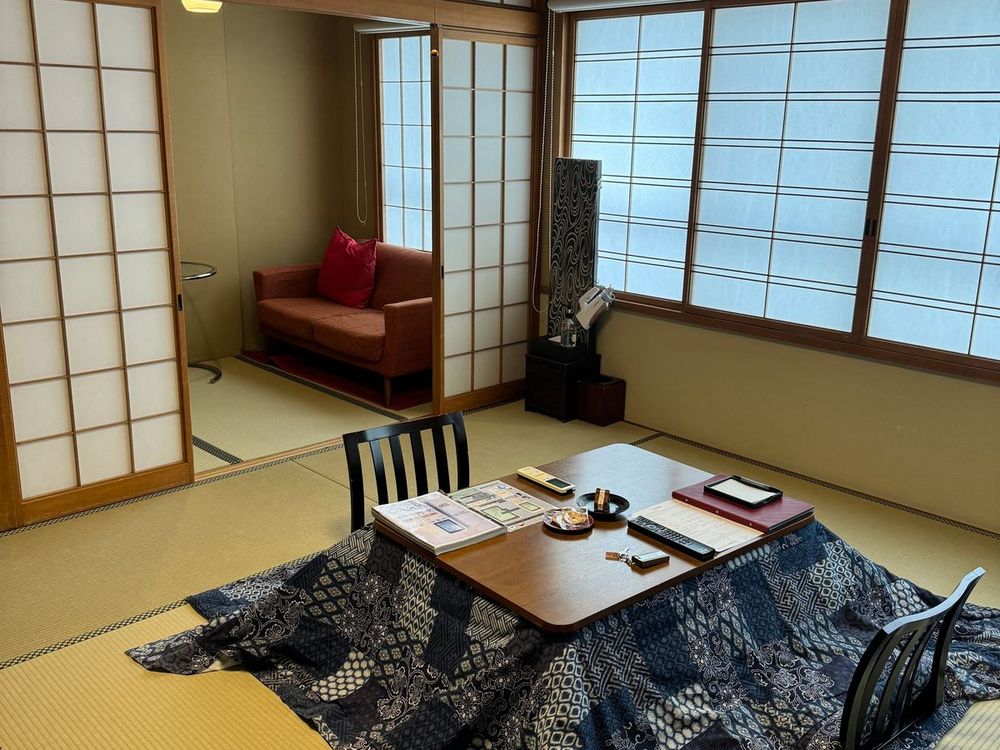
Fresh or lightly dried splatter on hard, smooth surfaces such as glass, glazed tile and metal fixtures can usually be wiped away with surface-safe methods. Paint that has fully cured, paint on porous or unsealed stone, on raw wood, on fabric or on a damaged finish is a different case. We do not offer removal of cured paint, and we do not repair scratches. When a spot will not come off without risk to the surface, we leave it, mark it in the photo report and tell you, rather than gamble with your fixtures.
The test spot comes first
Before treating a visible area, the crew tries the method on a small hidden spot, such as the lower corner of a pane or the back of a fixture. Anodised aluminium, brushed steel, mirror backing and coated glass can all react to the wrong approach. If the test spot shows any dulling, we change the method or stop. This is the main reason we ask for photos in advance: we can plan the right approach before we arrive.
Spray painting and overspray
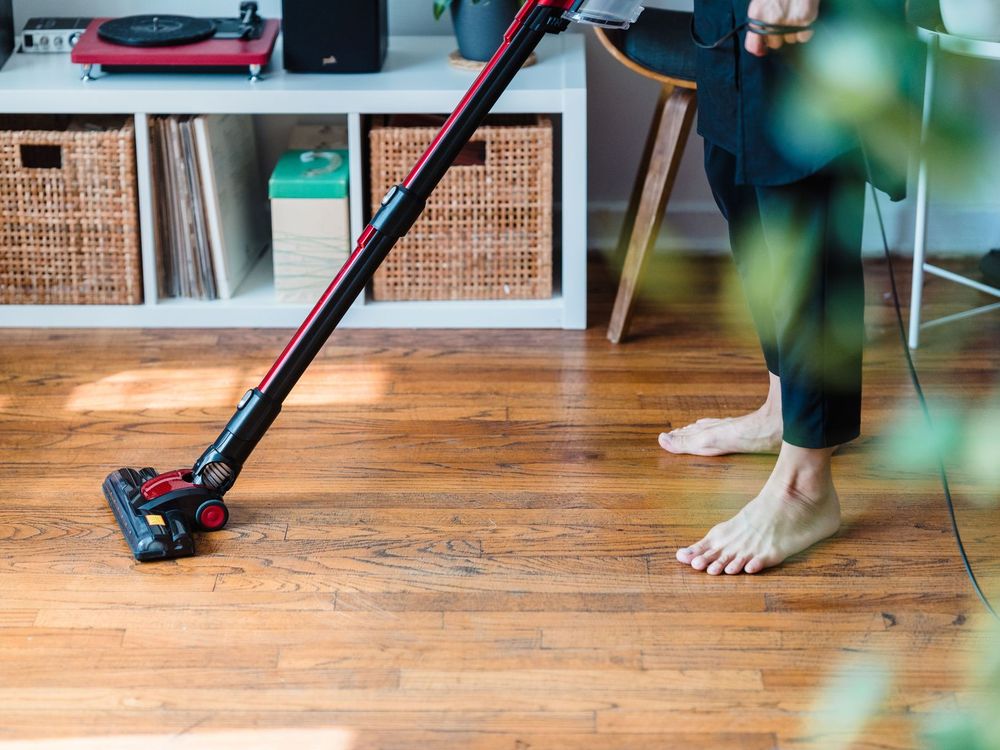
A sprayed ceiling or a repainted door frame can leave a fine mist of droplets over a wide area, which looks like roughness on glass rather than distinct dots. Light, recent overspray on glass is often wipeable. Heavy or aged overspray, or overspray on car-style clear coats and soft plastics, is not something we promise to remove. Send a close-up photo and a photo from across the room, and we tell you which category your job falls into.
Paint is only part of the cleanup
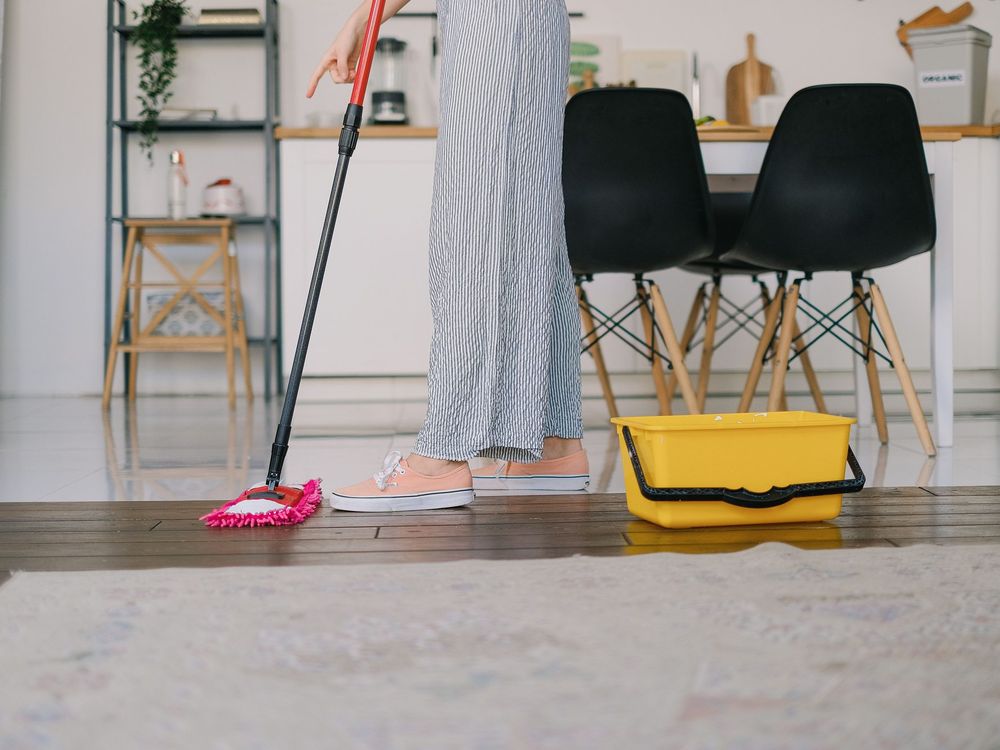
Painters rarely leave only paint. There is also sanding dust from preparation, masking tape and film that needs to come off, and brush hairs or roller fluff on sills. On request our crews handle all of it in one visit: removing curing tape and film, wiping dust from frames and shelves, cleaning the windows, and sweeping, vacuuming and damp-mopping the floors. One checklist and one photo report cover the whole project.
Price per project, from photos
Send photos of the affected surfaces, the number of rooms and the floor area, or invite us for a site look. We reply with a single fixed price, a list of surfaces included and the team size, one cleaner with a supervisor or two with a supervisor. The price is confirmed before the visit and does not change on the day. If the photos show something we cannot remove, you hear that at the quote stage.
When to book relative to the painters
The best moment is after the last coat has dried and the painters have packed up, but before furniture goes in. Paint fresh enough to wipe is easier to treat than paint that has been sitting for months, so do not leave a splatter that you spot on the last day. Standard visits are 9:00 to 17:00 and out-of-hours work can be agreed by message. Tell us the date of the final coat so we can plan around it.
Surfaces that need extra care
Mirrors with a thin backing, anodised and powder-coated aluminium, brushed steel, polished chrome and glazed tile with a decorative finish all respond differently to a cleaning method. Natural stone, unglazed tile and raw timber absorb paint instead of letting it sit on top, so splatter there is not something wiping can fix. We separate these surfaces on the checklist and tell you which group each splatter belongs to.
What helps us on the day
Please tell us the paint type if you know it, water-based or solvent-based, and the date the last coat went on. Leave a small tin or the product name where we can find it. Keep the windows free of furniture, and tell us if the room is occupied. It also helps to circle the spots you noticed on a photo, because we then check those first and report on each one afterwards.
Coverage, payment and our promise
We serve the 23 wards of Tokyo plus Kanagawa, Saitama, Chiba, Ibaraki, Tochigi and Gunma, and we state any travel cost before the booking is final. Requests are welcome at any hour, in English or Japanese. You pay by credit card, bank transfer, PayPay or cash, with an invoice for companies. A photo report follows every visit, and if something was missed, report it within 24 hours with a photo and we re-clean it at no extra cost.
How do I book a cleaner?
Choose a service
Pick a plan and see the fixed price.
Pick a date
At least 24 hours ahead, between 9:00 and 17:00.
We confirm
We reply by email, normally within 1 hour.
We clean
Your cleaner arrives with supplies and the agreed checklist.
Frequently asked questions
Can you remove paint that has dried for months?
We do not promise to remove cured paint. We test a small spot first and tell you what is realistic before we continue.
Will cleaning scratch my window glass?
We use surface-safe methods and test on a hidden spot first. We do not repair existing scratches.
Do you repaint or touch up walls?
No. We clean up after painters; we do not paint or repair finishes.
What do I send for a quote?
Photos of the affected glass, tile or fixtures, plus the number of rooms. We reply within one hour with a fixed price.
Price shown upfront. Book in 2 minutes, reply within 1 hour
Fixed priceTeam + supervisorEnglish and Japanese
Ready to book? Check availability
Inquiries and reservations are accepted 24 hours a day. When you submit, we check availability, assign a cleaner and contact you within 1 hour.
Prefer to talk? LINE · WhatsApp · hello@estreet.jp