
Doors and fixtures cleaning after construction in Tokyo
Wiping down of doors, frames, handles, built-in cabinets, sills and glass once the work is done.

What counts as a fixture here
In Japanese building work, 建具 means the movable parts that close an opening: hinged doors, sliding doors, sliding screens, folding doors and shutters. We also include the frames they sit in, the handles, the glass panels, and the built-in cabinets, shoe boxes, wardrobe fronts and shelves that a carpenter makes for the room. Sills, window frames and sashes are cleaned in the same pass. Furniture the owner brings later is a separate matter.
Doors: both faces and the edges
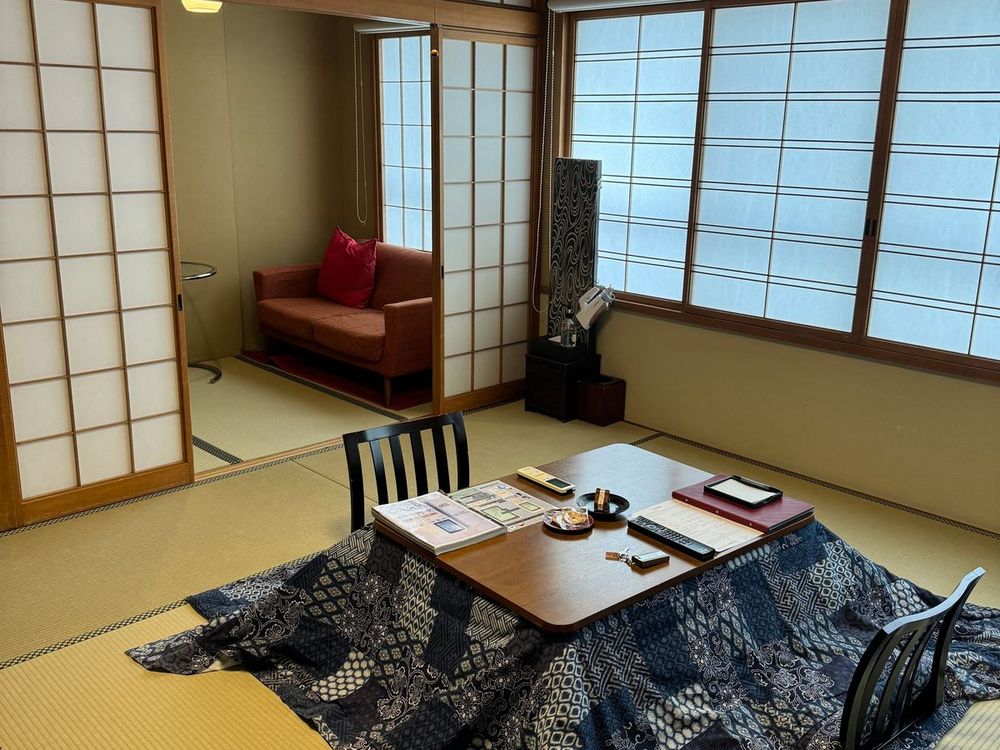
A door has four dirty places: the face on each side, the top edge where dust collects, the hinge side, and the frame around it. We wipe both faces with a cloth matched to the finish, whether it is painted wood, veneer, melamine, or glass, clean the top edge and the hinge area, and wipe the frame down. Handles and locks are polished lightly with a dry cloth, because film or tape is often left under the plate.
Sliding doors and tracks
Sliding doors and screens are common in Japanese homes and shops. The track at the bottom fills with grit and plaster from the floor work, and a door that sticks is the first complaint at handover. We vacuum the tracks, wipe them with a damp cloth, clean the rollers that are visible, and slide the door several times to check it runs cleanly. We do not adjust or repair the door; if it binds, we report it.
Built-in cabinets and shoe boxes
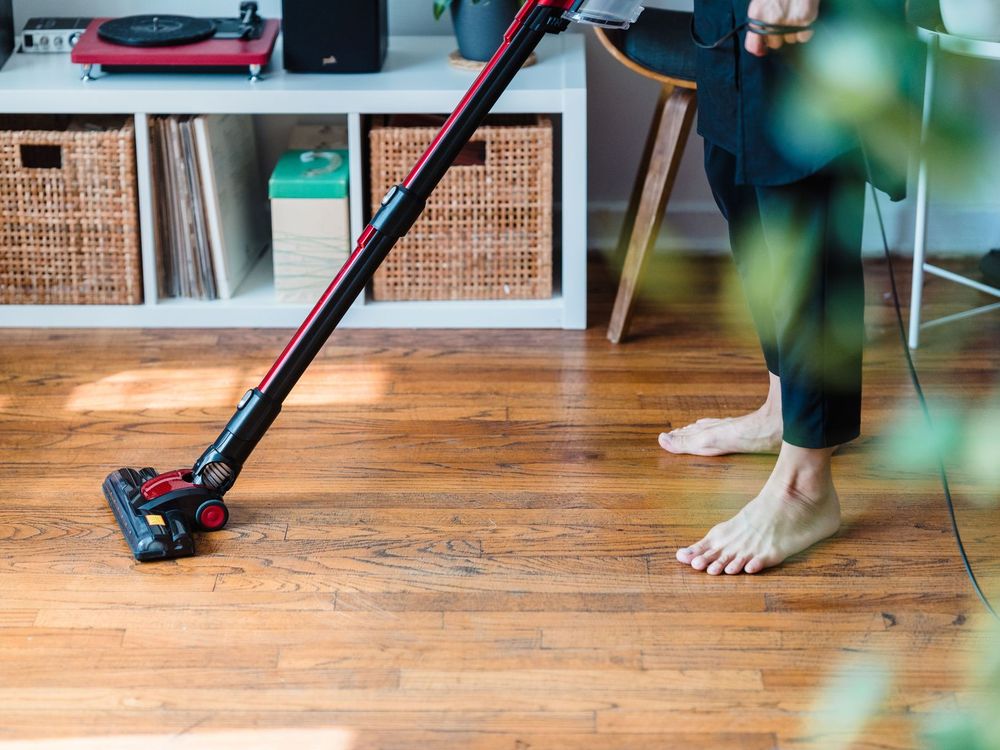
Entrance shoe boxes, closets, wardrobes and wall units are often cut on site, which fills them with sawdust. We vacuum the inside, wipe the shelves, rails and the inside of the doors, and clean the fronts and handles. For a closet we also check the top of the unit, since dust collects there. We do not take apart a unit, and we leave the contents as we find them.
Glass, sills and window frames
We clean interior glass and windows, wipe sills and frames, and clean sashes and tracks. Protective film and tape on the glass is removed, and fresh sealant or light paint splatter is wiped from the glass with a surface-safe method. We do not scrape cured paint, since that can scratch the pane. Exterior glass that needs a gondola, a high-rise rope or a lift is not offered.
Film, tape, labels and curing
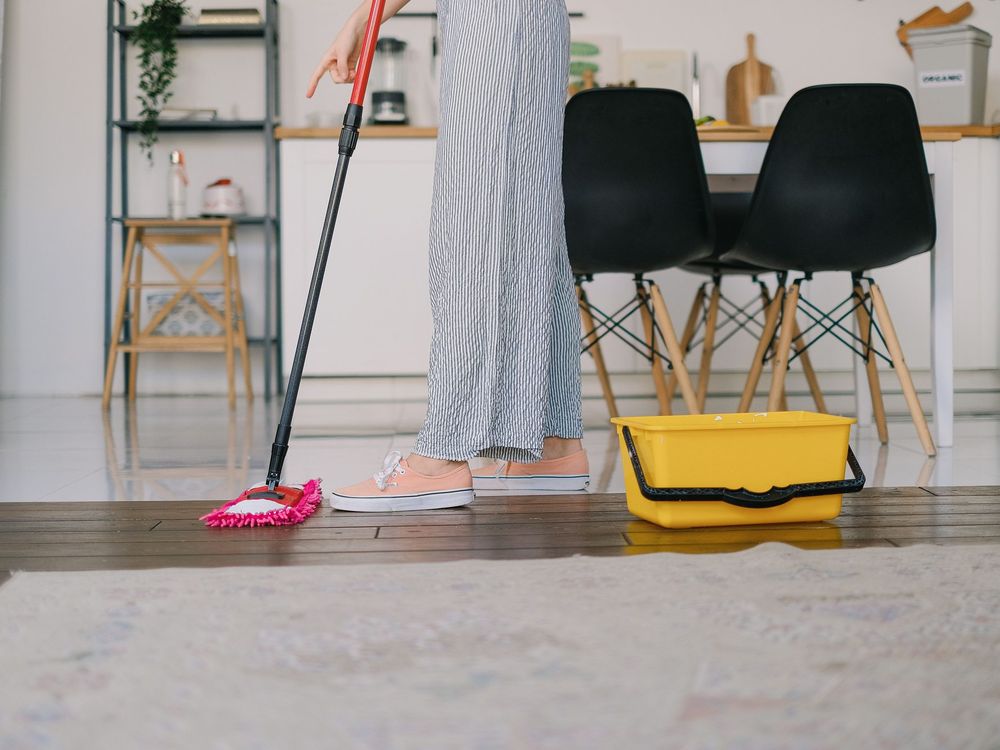
New doors and frames arrive wrapped in protective film, with curing tape at the corners and sticky labels with model numbers. Removing them in the right order matters, because pulling tape from a freshly painted frame can lift the paint. We take it slowly, lift the corners first, and stop if the paint comes with it. We tell you which spots look weak, so the painter can decide before the handover.
Marks that are part of the surface
Chips, scratches, dents, and paint that was applied unevenly are defects, not dirt. We do not promise to remove damage that is part of the surface, and we do not repair or touch up paint. We photograph what we find and list it in the report, which gives the contractor a clear record, and gives the owner a fair picture of the state of the work.
Shops, rentals and homes: what changes
In a rental, doors and cabinets must look neutral and the property manager reads the report line by line. In a home, the family cares about the cupboards they will fill tomorrow. In a shop, display units, counters and the glass front face the public, so fingerprints on them show on day one. We shape the order of work to match what the owner will see first, and we say so before the visit so that nothing surprises you.
Wood, laminate, metal and glass
Different finishes need different care. Painted wood takes a lightly damp cloth and a dry one behind it. Laminate and melamine tolerate a gentle cleaner. Stainless and aluminium frames are wiped and dried to avoid streaks. Glass is cleaned last so that dust from other parts does not land on it. Natural wood with an oiled or waxed finish is tested in a hidden spot, and if the finish reacts, we stop and tell you.
Price and scoping
Fixture cleaning is quoted per project at a fixed price, from plans, the number of doors and built-in units, photos or a site look, before the work. The count of doors, sliding panels, sashes and cabinets drives the scope, so send a few photos and the plan if you have one. We confirm the price by message before the visit, and it does not change on the day.
After the visit, and where we work
The photo report shows doors, frames and cabinets, and flags any marks or sticking doors. If something was missed and reported within 24 hours with a photo, we clean it again at no extra cost. We serve the 23 wards of Tokyo and Kanagawa, Saitama, Chiba, Ibaraki, Tochigi and Gunma, with travel cost stated before booking outside the 23 wards. We bring all products and equipment, and we work in English and Japanese.
How do I book a cleaner?
Choose a service
Pick a plan and see the fixed price.
Pick a date
At least 24 hours ahead, between 9:00 and 17:00.
We confirm
We reply by email, normally within 1 hour.
We clean
Your cleaner arrives with supplies and the agreed checklist.
Frequently asked questions
Do you clean built-in cabinets and shoe boxes?
Yes, inside and out. We remove sawdust and wipe shelves, rails and doors.
Can you fix a sticking sliding door?
No. We clean the track and report doors that still bind, so the installer can adjust them.
Will you touch up paint or chips?
No. We do not repair or repaint. We photograph marks and list them in the report.
Do you clean windows as well?
Yes, interior glass, sills, frames and sashes. Exterior work that needs a gondola or lift is not offered.
Price shown upfront. Book in 2 minutes, reply within 1 hour
Fixed priceTeam + supervisorEnglish and Japanese
Ready to book? Check availability
Inquiries and reservations are accepted 24 hours a day. When you submit, we check availability, assign a cleaner and contact you within 1 hour.
Prefer to talk? LINE · WhatsApp · hello@estreet.jp