
Ōsōji: year-end cleaning in Japan, explained
What ōsōji is, what to clean and how to spread the work over December.

What it is
A cultural practice of cleaning thoroughly in the last weeks of December, often including windows, kitchen, bath and entrance.
A four-weekend plan
Weekend 1: declutter and dispose. Weekend 2: kitchen and range hood. Weekend 3: bathroom, toilet and windows. Weekend 4: floors, entrance and final tidy.
Tips
Check the municipal rubbish schedule, which changes in late December. Book help early because year-end slots fill quickly.
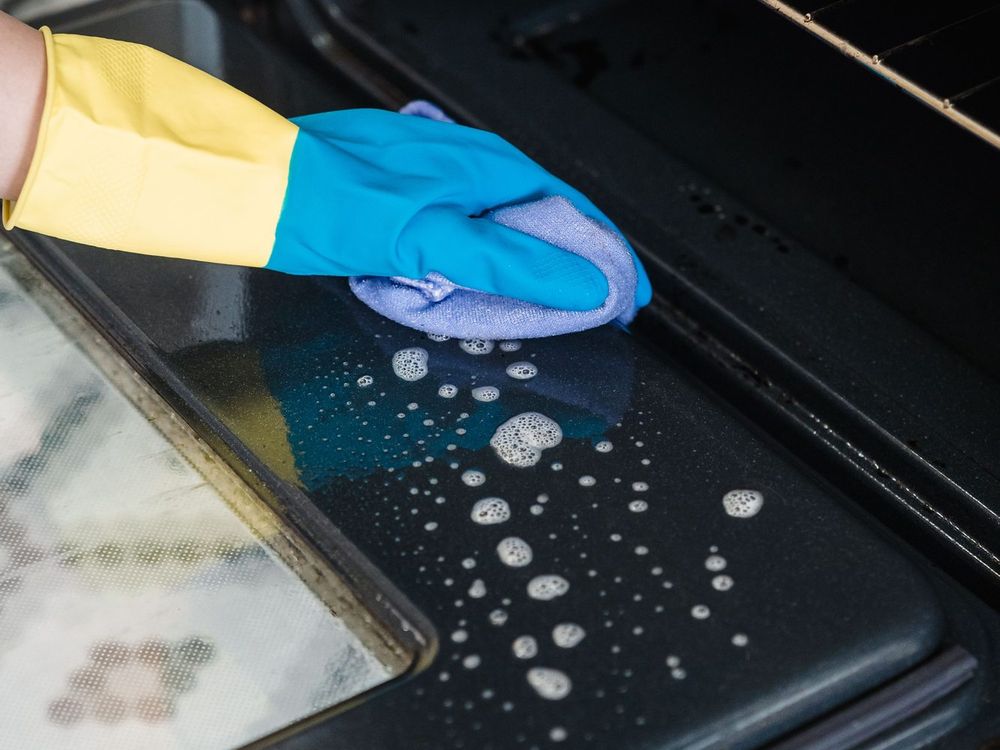
What ōsōji means
Ōsōji is the Japanese tradition of cleaning the home thoroughly at the end of the year, before the New Year. The idea is to leave the old year's dirt behind and welcome the new year in a fresh space. Historically it involved cleaning the house and the shrine, and it has a link to the practice of preparing to receive the New Year deities. Today most people treat it as a practical reset, spread over several days in December.
A realistic plan for late December
Start early, because the last days of December are busy. Begin with the hardest areas in the first week: the range hood, kitchen, bathroom and windows. In the second week, handle the living areas, wardrobes, and the entrance. In the last days, clean the floors and finish with decorations. Check the dates for waste collection over the holiday period, as bulky items and recyclables have particular schedules. Write the tasks on a list and cross them off.
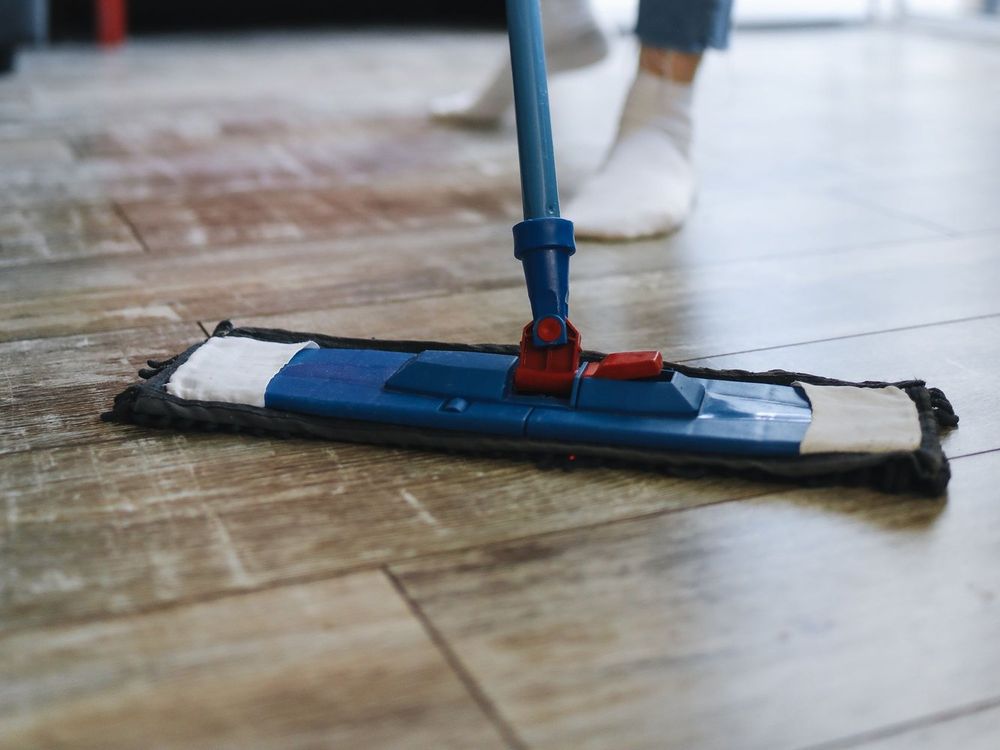
Working from top to bottom, and dry to wet
Clean in a sensible order: ceilings, high shelves and light fittings first, then walls and furniture, then floors. Dust before wiping. Do dry tasks, such as sorting and vacuuming, before wet ones. Open windows for ventilation and use warm water for degreasing because cold weather makes grease harder. Take care when working at height and do not stretch beyond what is safe. Leave tasks that need ladders or specialist tools to a professional.
Booking help before the rush
Cleaning companies fill up in December, because many households want the same few days. If you want help, book early and ask what the scope includes. A professional deep clean of the kitchen and bathroom, and the air conditioner, can take the hardest part out of ōsōji. Many people combine a professional clean for the heavy areas with their own work on the rest, and finish the year feeling that the home is ready.
A checklist for the last week
Remove rubbish and recyclables according to the collection calendar, take down curtains for washing, clean the range hood and stove, descale the bathroom, wipe the front door and entrance, clean windows and screens, vacuum behind furniture, and finish with floors. Wash bedding and towels. Prepare space for New Year decorations. Do not leave the heavy jobs to the final day, because tiredness leads to shortcuts.
Quick answers
Is ōsōji required? No, it is a custom, not a rule. Can I do it in November? Yes, many people start early. Do I have to do it all myself? No, many families split it up and many people book help. What if I live in a rental? Focus on the kitchen, bathroom and floors and leave anything that could affect the property to the landlord.
Cleaning with others and making it easier
Ōsōji is easier as a shared event. Give each person a room or a task, set a time, play music and finish with a meal. Children can wipe low surfaces and sort toys. Break the work into short sessions with rests. Keep supplies together in a caddy so that nobody wastes time looking for them. If someone is not available, a professional can cover the heavy tasks. The aim is a fresh start, not an exhausting week.
Spreading osoji over a few weeks
Instead of one exhausting weekend, start in early December with the rooms that matter most, such as the kitchen and bathroom, then move to windows, entrance and storage. Finishing the heavy work before the last week leaves time for a calm New Year. If a task is too big or too high to do safely, book help early, because December slots fill quickly.
Price shown upfront. Book in 2 minutes, reply within 1 hour
Fixed priceTeam + supervisorEnglish and Japanese
Ready to book? Check availability
Inquiries and reservations are accepted 24 hours a day. When you submit, we check availability, assign a cleaner and contact you within 1 hour.
Prefer to talk? LINE · WhatsApp · hello@estreet.jp